
Our sustainability efforts
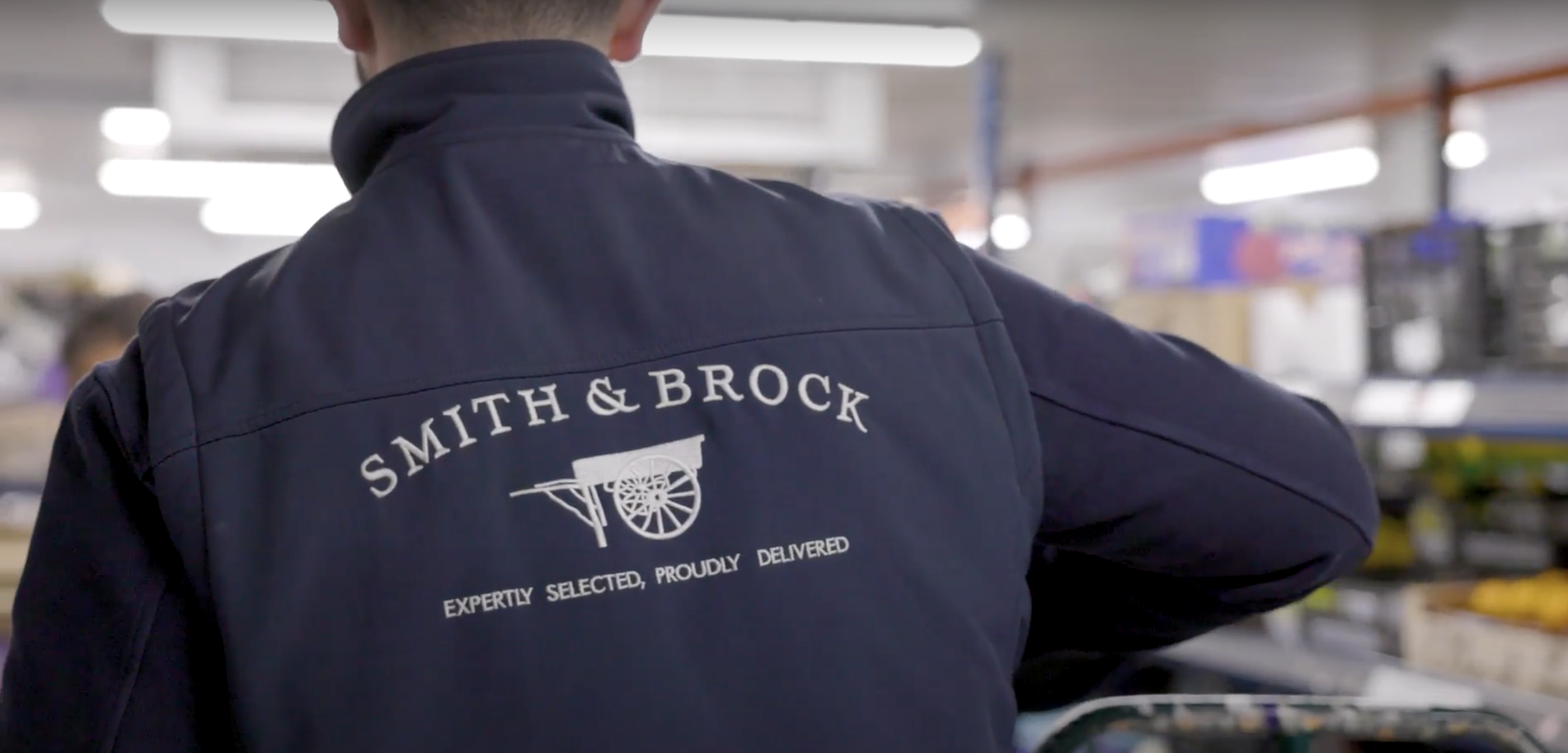
Being a company that primarily specialises in fresh produce, we know how vital it is to protect our ecosystem. We review our sustainability policies every year to ensure we stay on top of the best practices and are committed to procuring in a manner that promotes sustainability and limits the environmental impact of the business.
Mission statement
Smith & Brock Limited recognises that the environment is important to our organisation, our staff and our customers. Of particular significance is the climate
and ecological emergency. We recognise the wide-ranging effects of climate and ecological breakdown and will work hard to ensure that consideration of these
impacts is embedded both in the way we run our business and in the products we sell.
We recognise our responsibility to manage our environmental impacts carefully, including meeting all legal and regulatory requirements. We are committed to reducing our environmental impact and continually improving our environmental performance as an integral part of our organisation strategy and operating methods, with regular review points. We will encourage staff, clients and other stakeholders to do the same.

Our achievements so far
Responsible Sourcing & Local Partnerships

Sourcing Class 2 produce from existing suppliers to help reduce food waste, including asparagus and juicing apples from Kent, cabbages from Lancashire, and tomatoes from Sicily.
Building strong partnerships with local Kent-based suppliers, such as Thanet Earth for cucumbers and L.J. Betts for salad leaves, supporting regional agriculture and reducing food miles.
Waste Reduction
Partnering with The Felix Project to minimise waste by redistributing our surplus and second-grade produce to communities in need, as well as to our sister restaurant, Sylva.
Collaborating with Osca Bio Energy to transform food waste into renewable energy through advanced anaerobic digestion, helping to reduce our carbon footprint and overall waste disposal.
Reduce landfill waste
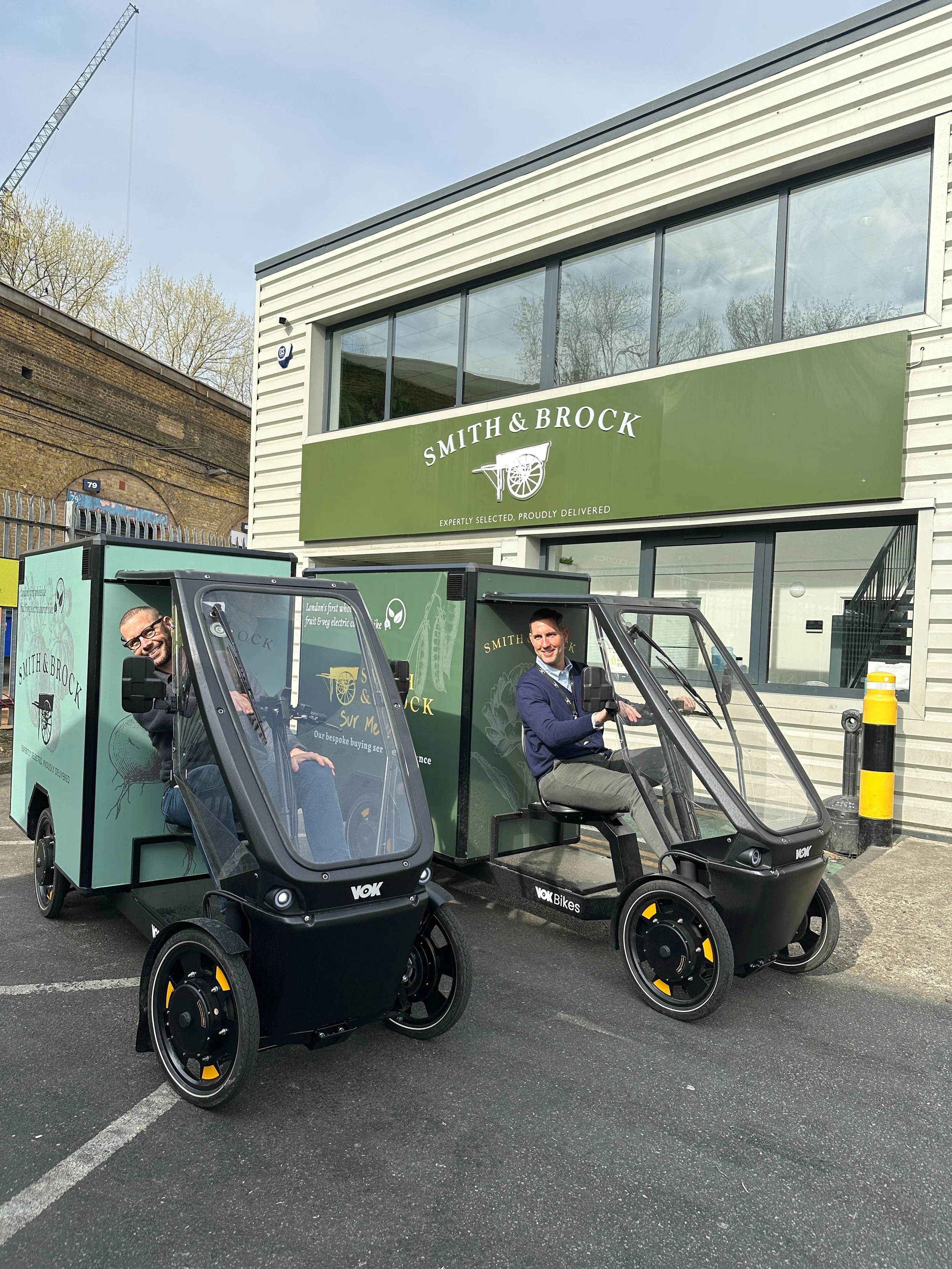
Have reduced second deliveries by 10% and continue to prioritise electric bikes for zero-emission deliveries
Using the most carbon-efficient vehicles by selecting the appropriate size for each delivery.
Partnering with Pedal Me for last-minute courier deliveries.
Responsible Packaging & Materials

Collaborating with suppliers to transition packaging to biodegradable materials wherever possible, while gradually introducing reusable crates for deliveries to reduce cardboard use.
Digital Transformation & Paper Reduction

By digitising key processes—including processing about 60% of orders via EDI and introducing our ordering app—we have reduced overall paper usage by 40%, improved operational efficiency, and enabled further investment in future sustainability initiatives.
Looking ahead
We will continue our efforts with our partners to implement tangible, sustainable solutions to reduce our carbon footprint and environmental impact.
Objectives
Reduce overall carbon footprint year on year relative to company growth
Engage with our suppliers to explore their environmental credentials and future carbon reduction plans via an annual audit.
Consult with a 3rd party company to measure energy usage and seek improvements in energy efficiency of our daily operations
Implement RFID-tagged trays to substitute cardboard boxes to reduce cardboard usage.